
Before diving into the how-to, let’s consider why garden design matters. A well-planned garden offers numerous benefits including improved mental health, fresh air, a habitat for wildlife, opportunities for growing your own food, and increased property value.
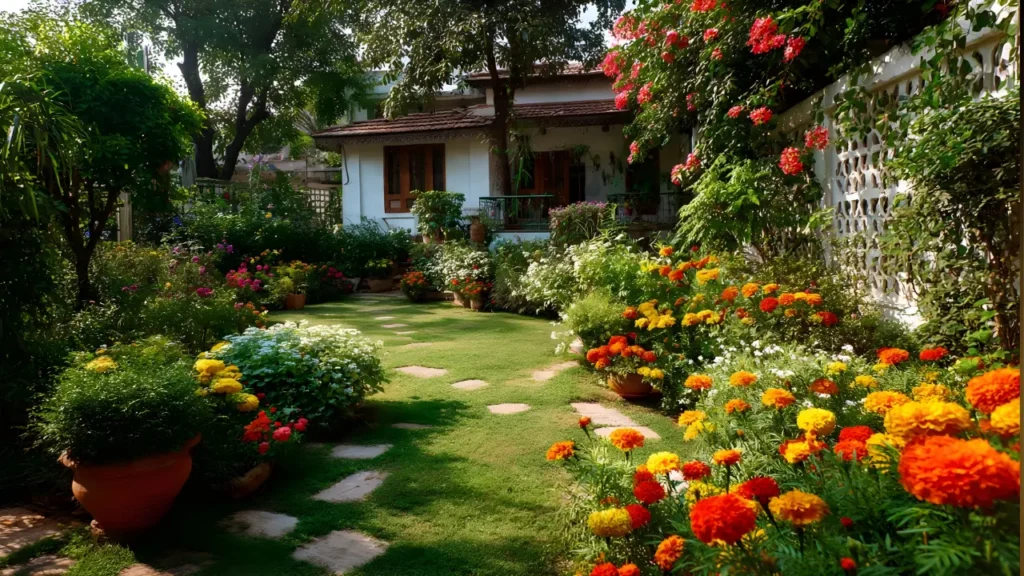
Beyond these practical advantages, gardening provides a creative outlet and a sense of accomplishment as you watch your design come to life.
Assess Your Space
The first step in designing any garden is understanding what you’re working with. Take time to evaluate your available space carefully.
Measure Your Area: Start by measuring the dimensions of your garden space. Note any existing features like trees, slopes, or structures that will impact your design.
Understand Sunlight Patterns: Spend a day observing how sunlight moves across your space. Note which areas receive full sun (6+ hours), partial sun (3-6 hours), or shade (less than 3 hours). This information is crucial for plant selection.
Check Soil Quality: Test your soil’s pH level and composition. You can purchase inexpensive testing kits from garden centers. Understanding whether you have clay, sandy, or loamy soil will help you choose appropriate plants or know what amendments to add.
Consider Climate and Hardiness Zone: Know your USDA hardiness zone to select plants that will thrive in your local climate. Pay attention to frost dates, rainfall patterns, and temperature extremes in your area.
Define Your Garden’s Purpose
What do you want from your garden? Your answer will shape every design decision that follows.
Some common garden purposes include creating a relaxation space with seating areas and calming plants, growing vegetables and herbs for your kitchen, attracting pollinators like bees and butterflies, providing a play area for children, or showcasing beautiful ornamental plants and flowers.
Your garden can serve multiple purposes, but prioritizing your main goals will help create a cohesive design.
Create a Garden Plan
Now comes the exciting part of putting your ideas on paper.
Sketch Your Layout: Draw a rough sketch of your space to scale. Include existing features and mark sunny and shady spots. You can use graph paper or free online garden planning tools.
Design Garden Beds: Decide where you’ll place planting beds. Raised beds work well for vegetables and are easier on your back. Island beds create focal points in larger spaces. Border beds along fences or walls maximize space efficiency.
Plan Pathways: Include paths for easy access to all areas. A width of 3-4 feet is comfortable for most garden paths. Consider materials like gravel, stepping stones, mulch, or brick pavers.
Add Focal Points: Every good garden has visual interest. Consider adding elements like a water feature, sculpture or garden art, specimen tree, arbor or pergola, or decorative containers.
Select Your Plants
Choosing the right plants is where your garden truly comes alive. Consider these factors when selecting plants.
Match Plants to Conditions: Choose plants suited to your sunlight, soil, and climate conditions. Fighting against nature makes gardening frustrating rather than enjoyable.
Plan for Year-Round Interest: Select a mix of plants that offer different seasonal highlights including spring bulbs and early bloomers, summer flowering perennials, fall foliage and late bloomers, and evergreens for winter structure.
Consider Height and Texture: Create visual depth by layering plants with tall plants and shrubs in the back, medium-height perennials in the middle, and low-growing plants and groundcovers in the front. Mix different leaf textures and shapes for added interest.
Include Native Plants: Native plants require less maintenance, support local wildlife, and are adapted to your climate. They’re an excellent choice for sustainable gardening.
Think About Color Schemes
Color can make or break your garden design. You might choose a monochromatic scheme using various shades of one color for a sophisticated look, complementary colors using opposite colors on the color wheel for drama, or analogous colors using colors next to each other on the wheel for harmony.
Remember that green is your base color, and foliage can be just as important as flowers for creating color interest.
Add Hardscape Elements
Hardscaping refers to the non-living elements of your garden. These features include patios or decks for outdoor living, fencing or walls for privacy and structure, trellises or arbors for vertical interest and climbing plants, garden edging to define beds and keep grass out, and lighting for evening ambiance and safety.
Hardscape elements provide structure and make your garden functional year-round, even when plants are dormant.
Consider Practical Features
Don’t forget the practical elements that will make maintaining your garden easier. Plan for a watering system, whether it’s drip irrigation, soaker hoses, or convenient hose placement. Include a compost area for recycling garden waste and creating free fertilizer. Create tool storage with a garden shed or storage bench for keeping equipment handy. Set up a potting bench as a dedicated area for planting and garden tasks.
Start Small and Build Gradually
One of the biggest mistakes new gardeners make is trying to do everything at once. Instead, begin with a small, manageable area and expand as you gain confidence. Start with easy-to-grow plants that are forgiving of beginner mistakes. Focus on one section at a time to avoid becoming overwhelmed. Be patient as gardens take time to mature, and what looks sparse in year one will fill in beautifully by year three.
Plant and Mulch
When you’re ready to plant, prepare your soil by adding compost or other organic matter. Plant according to spacing requirements, even if things look sparse initially. Water thoroughly after planting, and apply a 2-3 inch layer of mulch around plants to retain moisture, suppress weeds, and regulate soil temperature.
Maintain Your Garden
A beautiful garden requires ongoing care. Regular maintenance includes watering deeply but less frequently to encourage strong root growth, weeding regularly to stay ahead of unwanted plants, pruning to maintain plant health and shape, fertilizing as needed based on plant requirements, and monitoring for pests and diseases to address problems early.
Common Garden Design Mistakes to Avoid
Learning from others’ mistakes can save you time and money. Avoid planting too close together by ignoring mature plant sizes, neglecting maintenance access by not leaving enough room to move between plants, ignoring drainage issues that can lead to plant death and soggy areas, choosing high-maintenance plants that don’t suit your lifestyle, and forgetting about winter by not considering what the garden will look like in cold months.
Budget-Friendly Garden Design Tips
Creating a beautiful garden doesn’t have to break the bank. Start plants from seeds instead of buying mature plants, divide existing perennials to multiply your plants for free, use free materials like collect stones, wood, or create your own compost, shop end-of-season sales when nurseries discount plants, and swap plants with neighbors and friends to expand your collection.
Sustainable Gardening Practices
Consider incorporating eco-friendly practices into your garden design by using rain barrels to collect water for irrigation, choosing organic pest control methods, composting garden and kitchen waste, planting for pollinators by including native flowers for bees and butterflies, and avoiding chemical fertilizers and pesticides.
Conclusion
Designing a home garden is a journey that combines creativity, planning, and patience. Start with a clear vision of what you want, assess your space honestly, and choose plants that will thrive in your conditions. Remember that gardens evolve over time, and part of the joy is watching your design mature and adjusting it as you learn what works best for your space.
The most important thing is to start. Even small steps toward creating your garden will bring you closer to that outdoor oasis you envision. So grab a pencil, sketch out some ideas, and begin transforming your space into the garden of your dreams.
Happy gardening…
Also Read: How to make a living room luxurious?