
Your balcony is more than just an outdoor extension of your home—it’s a personal retreat where you can unwind after a long day. However, before you start transforming this space into your dream oasis, it’s crucial to understand the rules and regulations that govern balcony decorating in India.
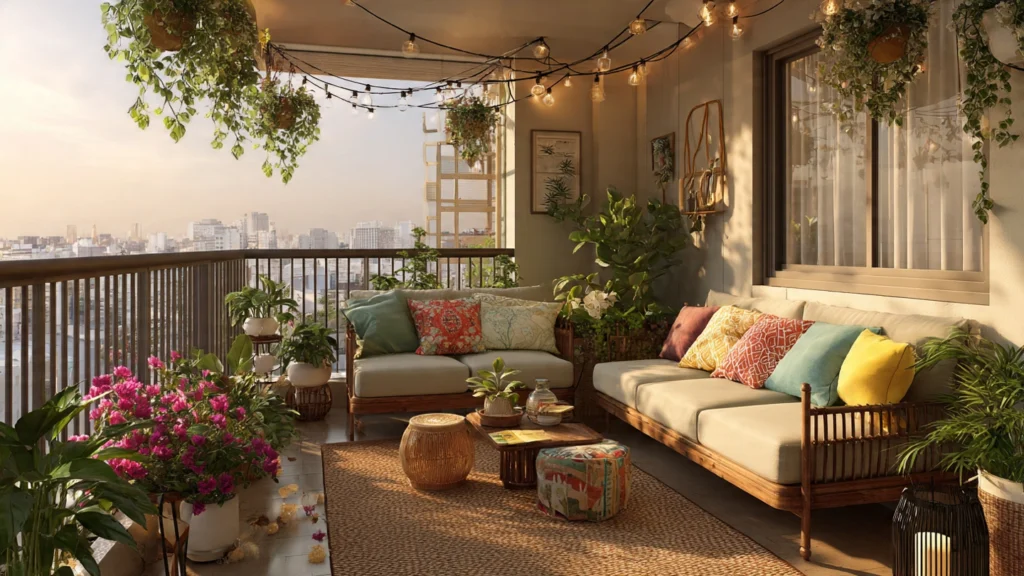
Whether you live in Mumbai, Delhi, Bangalore, or any other Indian city, these guidelines will help you create a beautiful balcony while staying compliant with local laws and society norms. Understanding these regulations not only keeps you legally safe but also ensures that your decorating efforts don’t create problems with neighbors or compromise the structural integrity of your building.
Understanding Legal Regulations for Balcony Decoration
Most Indian cities have specific building bylaws that regulate balcony modifications. According to municipal regulations, balconies are considered part of the building’s structure, and any major alterations require proper permissions. You cannot enclose open balconies without approval from your local municipal corporation, as this affects the building’s floor space index (FSI) and aesthetic appearance. Municipal corporations across India maintain strict oversight of building modifications to ensure urban planning standards are maintained and buildings retain their approved architectural character.
The structural integrity of your balcony must never be compromised under any circumstances. Indian Standard Code IS 875 specifies that residential balconies should be designed to carry a minimum live load of 3-5 kN/m², which translates to approximately 300-500 kilograms per square meter. This means you need to be mindful of the total weight you’re adding through furniture, plants, and decorative elements. Overloading your balcony can lead to serious structural issues including cracks, sagging, or in extreme cases, collapse. Always consult with a structural engineer if you’re planning to add heavy items like large planters filled with soil, heavy stone furniture, or water features.
Housing Society and Apartment Complex Rules
If you live in a gated community or apartment complex, your Resident Welfare Association (RWA) or housing society will have additional rules that go beyond municipal regulations. These societies typically have strict guidelines about exterior appearance uniformity, as they want all balconies to maintain a consistent look from the outside to preserve the building’s aesthetic appeal and market value. Many societies mandate specific color schemes for railings, restrictions on the types of awnings or shades you can install, and even rules about the visibility of items stored on balconies. Before making any changes, it’s essential to review your society’s bylaws carefully and attend general body meetings where such matters are discussed.
Installation permissions are another critical aspect of society rules. Mounting brackets for planters, drilling into common walls, installing permanent fixtures like ceiling fans or lighting, or making any modifications to the external facade typically require written consent from the managing committee. The approval process usually involves submitting a detailed plan, getting neighbor consent in some cases, and agreeing to restore the space to its original condition if you move out. Some societies also have restrictions on the timings when noisy installation work can be done, usually limiting such activities to specific hours during weekdays to minimize disturbance to residents.
Your balcony activities should not disturb neighbors in any way. Late-night gatherings, loud music, or activities that create excessive noise can lead to complaints and potential legal issues under noise pollution norms as defined by the Noise Pollution (Regulation and Control) Rules, 2000. Remember that sound travels easily in apartment buildings, and what seems like moderate volume to you might be quite loud for someone trying to sleep or work in an adjacent flat. Be particularly mindful during early morning hours, late evenings, and during examination seasons when students in the building might need quiet study time.
Safety Guidelines You Must Follow
Indian building codes mandate that balcony railings must be at least 1050mm (approximately 3.5 feet) high for safety, though many modern buildings exceed this minimum for added security. If you have children or pets, you should seriously consider installing additional safety nets or mesh screens that are specifically designed for this purpose. These safety additions are usually allowed by societies as they serve a protective function. Never compromise railing integrity by removing sections, loosening bolts, or weakening the structure by drilling holes for decorative purposes. The railing is your primary safety barrier and must remain structurally sound at all times.
When it comes to weight distribution on your balcony, being strategic is essential for safety. Heavy planters, especially those made of ceramic or concrete and filled with wet soil, should be positioned near load-bearing walls or columns rather than in the center of the balcony where the slab is thinnest. Avoid concentrating excessive weight in any single area, as this creates stress points that can lead to cracking or structural damage over time. A standard residential balcony can typically handle 300-400 kg of additional load beyond its own weight, but this varies significantly based on construction quality, the age of the building, and the original design specifications. Older buildings may have lower load-bearing capacities, so extra caution is warranted.
Fire safety compliance is not just a legal requirement but a critical life-saving consideration. Your balcony must remain accessible as a potential emergency exit or rescue point for firefighters. Do not block the exit completely with heavy furniture, large planters, or storage units that cannot be moved quickly in an emergency. Keep a clear pathway of at least 750mm width, and ensure any electrical installations follow proper wiring standards with weatherproof fittings and circuit breakers. All electrical points on balconies should be at least 450mm above the floor level to prevent water contact during heavy rains. Using outdoor-rated electrical fixtures is mandatory, as regular indoor fixtures can short-circuit when exposed to moisture.
Practical Decorating Rules and Best Practices
While you can add temporary flooring solutions like outdoor tiles, artificial grass, interlocking deck tiles, or outdoor carpets, permanent modifications like cemented flooring changes or raising floor levels require society approval and municipal permissions in some cases. Ensure proper waterproofing beneath any new flooring to prevent water seepage to lower floors, as you’ll be liable for water damage and repair costs if your decorating causes leakage problems for neighbors below. It’s advisable to use flooring materials with drainage gaps or perforations that allow water to flow to existing drainage points rather than creating pools on your balcony surface.
Gardening on balconies is generally encouraged across Indian cities as it contributes to urban greening and improves air quality. However, responsible balcony gardening requires attention to several practical considerations. Drainage management is paramount—install proper trays or saucers under all pots to prevent water from dripping onto balconies below or into common areas. Choose the right size of drainage trays, as undersized ones defeat their purpose. Regular maintenance prevents mosquito breeding in standing water, which is both a health hazard and often a violation of municipal health codes. Pest control becomes your responsibility, so monitor plants regularly for infestations and treat them promptly with eco-friendly solutions.
Overhanging plants that extend beyond your balcony boundary can cause disputes with neighbors and may violate society rules. Trim climbing plants and trees regularly to keep them within your designated space. This is particularly important for plants on higher floors, as falling leaves, flowers, or fruits can litter lower balconies and create maintenance issues. Weight considerations with plants are often underestimated—a large planter filled with wet soil, especially clay-heavy soil, can weigh 50-100 kilograms or more. Distribute plant weight evenly across the balcony and consider using lightweight potting mixes that contain perlite, vermiculite, or cocopeat instead of pure garden soil.
Choose weather-resistant furniture appropriate for India’s diverse climate zones. In coastal areas, opt for rust-proof materials like treated teak, synthetic wicker, or powder-coated aluminum. In areas with extreme summer heat, avoid metal furniture that becomes too hot to touch, and choose materials like natural cane, treated wood, or high-quality plastic that can withstand UV exposure without fading. Ensure items are secured during monsoons and high winds—lightweight furniture should be brought indoors or tied down during storm warnings. Avoid glass-top tables in areas prone to extreme weather, as they can crack under temperature stress or become dangerous if broken. Lightweight, foldable furniture is ideal for smaller balconies as it can be easily stored when not in use, giving you more space for other activities.
Decorative lighting can transform your balcony from a daytime space into a magical evening retreat, but electrical work must be done by licensed professionals to ensure safety and code compliance. Use outdoor-rated LED lights that are specifically designed to handle moisture, temperature variations, and direct sun exposure. Ensure all wiring is weatherproof with proper conduits and waterproof junction boxes. String lights and fairy lights are excellent choices that create ambiance without requiring extensive electrical work, and solar-powered options are becoming increasingly popular as they eliminate electricity costs and wiring concerns altogether. Many societies prefer solar lighting as it doesn’t increase common electrical load.
What You Cannot Do on Your Balcony
There are several permanent structural changes you absolutely cannot undertake without proper approvals from both your housing society and municipal authorities. Extending the balcony area beyond original dimensions is typically prohibited as it alters the building’s approved floor plan and can affect the FSI calculations. Enclosing open balconies with glass panels, aluminum sliding windows, or permanent grills changes the building’s facade and usually requires both society approval and municipal permission, though some cities have banned such enclosures entirely to maintain building aesthetics and fire safety access. Removing or altering railings is strictly prohibited under all building codes as it compromises safety. Making changes to the exterior facade, including painting different colors, installing decorative panels, or adding external lighting, typically requires unanimous society approval as it affects the entire building’s appearance.
Installing permanent water features that require new plumbing connections, drilling into structural elements, or connecting to the building’s main water supply usually needs professional assessment and multiple approvals. Such installations can affect waterproofing, create leakage risks, and increase the building’s water and electricity consumption. If you’re keen on a water feature, consider self-contained fountains that use recycled water and don’t require plumbing modifications.
Certain activities are strictly forbidden on residential balconies under various Indian laws and regulations. Commercial activities that attract customers, deliveries, or business traffic are prohibited in residential zones as per land use regulations, and operating such businesses from your balcony violates zoning laws. Storage of hazardous materials including gas cylinders beyond household use, flammable substances, chemicals, or any materials classified as dangerous under the Manufacture, Storage and Import of Hazardous Chemical Rules is absolutely forbidden. Installing heavy machinery, workshop equipment, or industrial tools on balconies violates both safety norms and noise regulations.
Creating permanent cooking setups beyond small portable grills requires proper ventilation systems and fire safety equipment, and most societies prohibit full kitchens on balconies due to fire risk and smoke nuisance to neighbors. Hanging clothes or banners visible from main roads is prohibited in many upscale societies and some municipal areas as it’s considered an aesthetic violation. Some gated communities have specific drying areas or enclosed drying yards to maintain external appearance, so check your society’s specific rules on this matter.
Environmental and Neighborhood Considerations
Water management on balconies requires careful planning and consideration for others. Watering plants should not cause water to drip onto lower balconies or common areas, as this creates cleanliness issues and can damage others’ furniture or belongings. Install proper drainage systems and use appropriately sized saucers under all pots without exception. Be particularly considerate during the dry season about water usage, especially in areas facing water scarcity, as excessive water consumption for balcony gardens during water restrictions can cause resentment among neighbors. Consider installing a drip irrigation system with a timer for efficient water use, or collect and use kitchen wastewater for plants where appropriate.
While decorating your balcony, it’s essential to respect your neighbors’ privacy, as apartment living requires mutual consideration. Avoid installing surveillance cameras pointing toward adjacent balconies or windows, as this violates privacy laws and can lead to legal complaints. Placing mirrors or reflective surfaces that redirect views into others’ private spaces is inconsiderate and often prohibited. Tall plants or privacy screens are acceptable for your own privacy, but they should not completely block airflow to neighboring balconies or obstruct their light and views unreasonably. Finding the balance between your privacy needs and being a considerate neighbor is key to peaceful apartment living.
The environmental impact of your balcony decoration choices extends beyond your immediate space. Choose eco-friendly materials for your balcony decor wherever possible, such as sustainable wood certified by the Forest Stewardship Council, furniture made from recycled plastics, or natural fibers like jute, bamboo, and cane. Native plants require significantly less water and maintenance compared to exotic species, as they’re adapted to local climate conditions and resistant to local pests. Avoid using chemical pesticides and fertilizers that could affect neighbors, especially those with children or pets in the building, and instead opt for organic alternatives like neem oil, homemade compost, and biological pest control methods.
Maintenance Responsibilities
As a balcony owner, you bear complete responsibility for maintaining your space in good condition. Keeping the space clean and free from debris isn’t just about aesthetics—accumulated leaves, dirt, and organic matter can block drainage outlets leading to waterlogging during monsoons. Preventing waterlogging is critical because standing water increases load on the slab, can seep through cracks causing damage to flats below, and creates mosquito breeding grounds that violate health regulations. Maintaining installed fixtures in good condition means regularly checking that furniture is stable, planters are secure, lighting works properly, and there are no loose elements that could fall during storms.
Ensuring decorative elements don’t become safety hazards requires regular inspection. Items that were secure when installed can loosen over time due to wind, temperature changes, or material deterioration. Promptly addressing any structural issues like cracks in the balcony slab, rust on railings, or water seepage is not just your responsibility but a legal obligation, as negligence that causes harm to others can result in liability. If you notice any structural problems, report them immediately to your society management and consult a structural engineer rather than attempting DIY repairs on structural elements.
Indian weather extremes require seasonal maintenance routines. Before monsoons arrive, secure all loose items, bring lightweight furniture indoors, ensure drainage outlets are clear, and check that plant pots are stable and won’t get waterlogged. Protect delicate plants during extreme summers by providing shade cloth, moving them to cooler spots, or increasing watering frequency. After heavy rains, check for water damage, standing water in plant trays, and any new cracks that may have developed. Remove dead plants promptly to prevent pest infestations, as decaying organic matter attracts insects, rodents, and can become a health hazard that affects neighboring units as well.
Tips for Getting Approval from Your Society
When seeking permissions for balcony modifications, prepare a detailed proposal that demonstrates you’ve thought through all aspects of your plan. Include sketches or photographs showing the current state and proposed changes, specifications of materials to be used with brand names and quality certifications where relevant, a realistic timeline for completion, and contact details of contractors if applicable. Providing this level of detail shows responsibility and makes it easier for the committee to evaluate your request. If possible, include examples of similar work done in other units or buildings to help committee members visualize the outcome.
Approach your housing society management committee professionally and respectfully, understanding that they’re volunteers managing the building’s interests. Schedule a meeting rather than catching committee members informally, and present your proposal clearly with all supporting documents. Explain how your plans will enhance your unit without negatively affecting others or common areas. Emphasize any safety measures you’re taking and your commitment to following all rules. Be open to suggestions and modifications rather than insisting on your exact vision, as flexibility demonstrates good faith and increases approval chances. Building good relationships with committee members through regular interaction and participating in society activities can make the approval process considerably smoother when you need permissions.
Creative Ideas Within the Rules
For compact balconies common in Indian apartments, space-saving solutions can maximize functionality without violating any regulations. Vertical gardens using wall-mounted planters or stacked shelving units utilize wall space instead of floor area, allowing you to have a green space even in just a few square feet. Hanging planters suspended from the ceiling or brackets can hold flowers and herbs without taking up any floor space. Wall-mounted folding furniture like drop-down tables and fold-up chairs can be opened when needed and tucked away when not in use, giving you flexibility. Multi-functional furniture pieces like storage benches that provide seating while hiding away cushions, gardening tools, or other items work wonderfully in space-constrained Indian apartments.
You don’t need expensive renovations or designer furniture to create a beautiful balcony that complies with all rules. DIY planters from recycled materials like old buckets, tins, wooden crates, or even plastic bottles painted attractively can be just as charming as expensive ceramic pots. Affordable outdoor rugs made from polypropylene or natural jute can define your space and add comfort underfoot for a fraction of the cost of permanent flooring. Homemade cushions using weather-resistant fabric and stuffing can personalize your seating at minimal cost. Painted pallets can become vertical gardens, seating, or display shelves. With creativity and effort, budget constraints need not limit your balcony’s beauty.
Create a cohesive look with themes that suit your personality while respecting society guidelines. A tropical paradise theme using banana plants, palms, bright flowers, and wicker furniture can work beautifully in warmer regions. A minimalist zen theme with clean lines, neutral colors, a few carefully chosen plants like bamboo or succulents, and simple furniture creates a peaceful retreat. An urban jungle theme packed with diverse plants at different heights, leafy greens, and natural materials brings nature into city living. The key is using removable elements that don’t require permanent installations, allowing you to change themes over time and restore the space to its original condition when needed.
Conclusion
Decorating your balcony is an exciting opportunity to extend your living space and create a personal sanctuary where you can relax, pursue hobbies, or simply enjoy fresh air without leaving home. By understanding and following the rules from municipal regulations to housing society guidelines, you can enjoy your beautifully decorated balcony without legal hassles, conflicts with neighbors, or concerns about structural safety. The effort invested in researching and following these guidelines pays off in peace of mind and the freedom to enjoy your space without worrying about violations or complaints.
Remember that the key to successful balcony decoration is enhancing your space while respecting structural safety, environmental responsibility, and community harmony. Your balcony is part of a larger building ecosystem where your actions affect others, and being a considerate neighbor makes apartment living pleasant for everyone. Before starting any major project, always consult with your housing society management committee, review your building’s bylaws carefully, and if needed, hire a structural engineer to assess whether your plans are safe and feasible. A well-planned, compliant balcony decoration will provide you years of enjoyment, improve your quality of life, and potentially increase your property’s value when it’s time to sell.