
Your bedroom should be your personal sanctuary, but giving it a fresh look doesn’t have to drain your wallet. Whether you’re working with a tight budget or simply.
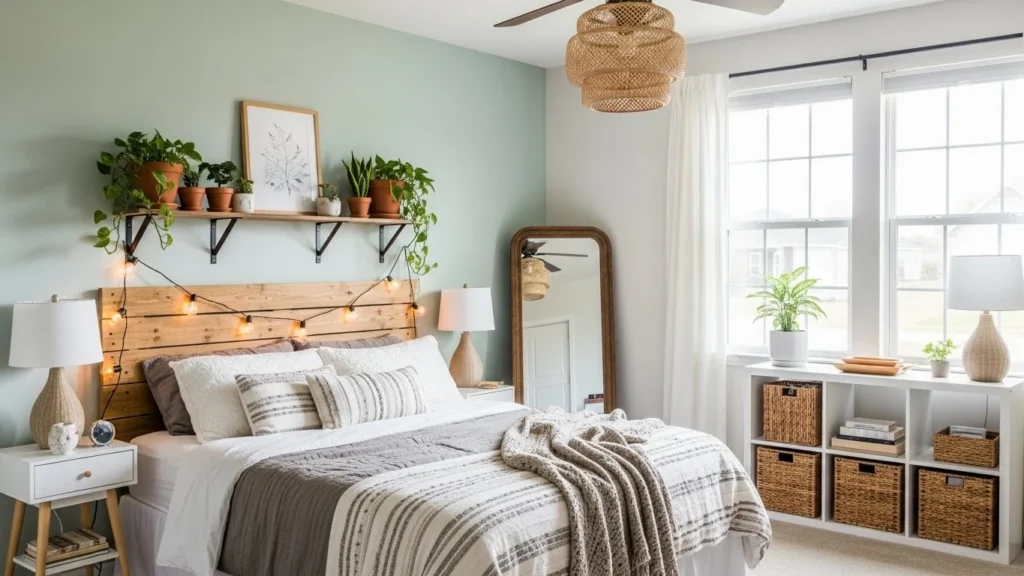
love the thrill of finding creative solutions, these affordable bedroom makeover ideas will help you create a space that feels brand new without breaking the bank.
Paint: The Most Powerful Budget Tool
Paint remains the single most impactful way to transform any bedroom. A fresh coat on your walls can completely change the atmosphere of your space for less than $100. Consider these trending approaches:
Accent walls create visual interest without requiring you to paint the entire room. Choose the wall behind your bed and go bold with a deep emerald, navy, or even black for a dramatic effect. If you’re feeling adventurous, geometric patterns or color blocking can add a designer touch using painter’s tape and multiple paint colors.
Ceiling paint is often overlooked but painting your fifth wall in a soft color or even a bold hue can add unexpected depth and character. A light blue ceiling can make your room feel more spacious, while a darker shade creates cozy intimacy.
Don’t forget about your furniture. That dated wooden dresser or nightstand can look completely different with a coat of chalk paint or spray paint. White furniture instantly brightens a space, while black adds sophistication.
Rearrange Before You Buy
Before spending a single dollar, try rearranging your existing furniture. Moving your bed to a different wall can completely change how your room feels and functions. Consider angling your bed in a corner for a unique look, or pulling it away from the wall to create a headboard moment.
Swap furniture between rooms if possible. That chair from your living room might be the reading nook piece your bedroom has been missing. The dresser in your bedroom could work better as a TV stand elsewhere, freeing up space for a different arrangement.
DIY Headboard Magic
A headboard instantly makes your bed look more intentional and put-together, but retail options can cost hundreds. Create your own for a fraction of the price using materials you might already have or can find cheaply.
Fabric headboards can be made by stretching an attractive fabric, tapestry, or even a vintage rug over a piece of plywood cut to size. Use a staple gun to secure it to the back, and mount it to your wall. Total cost: under $50.
Wooden headboards made from reclaimed pallets, old fence boards, or even contact paper applied directly to the wall create texture and warmth. Sand and stain old wood pieces for a rustic farmhouse feel, or paint them for a more modern look.
Floating shelves mounted horizontally above your bed can function as both headboard and storage. Add some LED strip lights behind them for ambiance and practicality.
Textile Transformations
New bedding can make your bedroom feel like an entirely different space. You don’t need to buy expensive sheet sets when discount stores and online retailers offer stylish options for under $50. Focus on getting one really nice duvet cover or comforter that sets the tone for your color scheme.
Layer different textures to create a luxurious look: a lightweight quilt over your main comforter, throw blankets at the foot of the bed, and an assortment of pillows in various sizes. Thrift stores are goldmines for unique throw pillows and blankets that add character without the boutique price tag.
Curtains dramatically affect both the look and feel of your bedroom. Floor-to-ceiling curtains make your room appear taller and more elegant. Hang your curtain rod as high as possible and let the panels puddle slightly on the floor for a high-end appearance. If you can’t afford new curtains, simply rehanging your existing ones higher makes a surprising difference.
Rugs anchor your space and add warmth underfoot. Layering a smaller decorative rug over a larger, neutral jute rug creates visual interest and saves money since you only need one statement piece.
Lighting Sets the Mood
Overhead lighting alone makes any bedroom feel flat and uninviting. Adding layers of light transforms the ambiance entirely. String lights aren’t just for college dorms anymore—draped intentionally around a headboard, mirror, or along a wall, they create a soft, magical glow.
Table lamps on nightstands provide functional task lighting while adding decorative elements. Thrift stores always have lamps that can be updated with new shades or a coat of spray paint.
Paper lanterns cost just a few dollars and add sculptural interest when hung at varying heights. Floor lamps in corners illuminate dark spaces and draw the eye upward, making rooms feel more spacious.
Consider replacing your light bulbs with warm-toned bulbs (2700K-3000K) for a more inviting atmosphere. The right color temperature makes every space feel more expensive and intentionally designed.
Wall Art Without the Gallery Prices
Empty walls make a room feel unfinished, but you don’t need expensive artwork to fill them. Create your own gallery wall using a mix of found and created items.
Frame fabric samples, wallpaper scraps, or pages from old books in inexpensive frames from discount stores. A collection of botanical prints cut from an old gardening book and framed uniformly looks incredibly sophisticated.
Canvas painting requires no artistic skill when you focus on abstract work. Large-scale abstract art in your color scheme can be created with cheap acrylic paints and canvas from craft stores for under $30.
Photo collages of your own photography printed inexpensively and arranged in a grid pattern personalize your space. Stick with black and white photos for a cohesive, gallery-like appearance.
Mirrors strategically placed reflect light and make small bedrooms feel larger. Shop secondhand for unique vintage mirrors, or buy inexpensive ones and customize the frames with paint or decorative molding.
Plants Bring Life to Your Space
Nothing makes a bedroom feel more luxurious and alive than plants. Thankfully, many houseplants are inexpensive and easy to care for. Pothos, snake plants, and spider plants thrive in bedroom conditions and cost under $15.
If natural light is limited, invest in one or two low-light plants rather than struggling to keep sun-loving plants alive. Alternatively, high-quality artificial plants have come a long way and can fill gaps in darker corners.
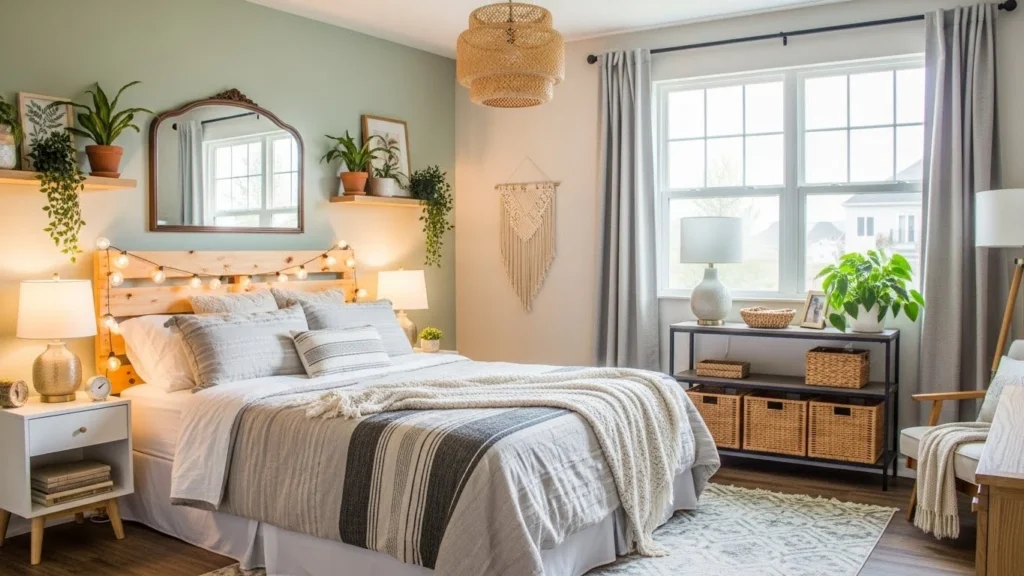
Display plants at varying heights using plant stands, hanging planters, or simply setting them on stacks of books. This creates visual layers that make your room feel more designed.
Organization as Decoration
Clutter makes even the most beautifully decorated bedroom feel chaotic. Smart storage solutions that look intentional double as decor.
Floating shelves provide storage while displaying curated items like books, small plants, and decorative objects. Baskets corral miscellaneous items while adding texture—place them on shelves, under nightstands, or in the corner for blanket storage.
Decorative boxes stacked on a dresser or shelf hide less attractive necessities while looking intentional. Cover old shoeboxes with contact paper, fabric, or paint for custom storage at no cost.
A clothing rack can work as a design feature rather than an eyesore if you organize it thoughtfully. Keep only your favorite pieces visible and arrange them by color for a boutique feel.
Architectural Details on a Budget
Adding architectural character makes any room feel more expensive and custom. Crown molding can be intimidating to install, but simple trim along the ceiling line creates a similar effect with basic supplies from a hardware store and some patient work.
Picture frame molding applied directly to walls in rectangular patterns creates a sophisticated look inspired by European design. Paint it the same color as your walls for subtle texture or in a contrasting color for more drama.
Peel-and-stick wallpaper has revolutionized rental-friendly decorating. Use it on an accent wall, inside a closet, or even on furniture pieces for a custom look that removes cleanly. Patterns range from bold geometrics to subtle textures.
Secondhand Score Strategy
Thrift stores, estate sales, garage sales, and online marketplaces are treasure troves for bedroom makeover materials. The key is knowing what to look for and what can be easily updated.
Solid wood furniture in outdated finishes can be sanded and stained or painted. Dressers, nightstands, and mirrors are particularly good investments. Look past the current state and imagine the piece in your chosen color scheme.
Vintage textiles like quilts, crocheted blankets, and embroidered pillowcases add character and history to your space. Even if they’re not in perfect condition, they become talking pieces with handmade charm.
Decorative items like vases, picture frames, candle holders, and small furniture pieces cost just dollars secondhand. A cohesive room comes from selecting items within a similar color palette rather than buying expensive matching sets.
Small Changes With Big Impact
Sometimes the smallest updates make the biggest visual difference. Upgrading your door hardware—replacing basic doorknobs and hinges with oil-rubbed bronze or matte black hardware—costs under $30 but elevates your entire space.
Remove or update your closet doors. If your bedroom has bi-fold or sliding closet doors that look dated, consider removing them entirely and hanging a curtain instead, or updating them with a fresh coat of paint.
Switch plates and outlet covers in decorative finishes matching your door hardware create a polished, cohesive look. This detail costs under $20 for an entire room but makes everything feel more intentional.
New drawer pulls on your dresser or nightstands can completely change the furniture’s personality. Modern brass pulls make pieces feel contemporary, while glass knobs add vintage charm.
Creating Ambiance
The most beautiful bedroom in the world won’t feel inviting without the right ambiance. Scent plays a huge role in how we experience spaces. Candles, essential oil diffusers, or even simmering spices create a welcoming atmosphere that makes your bedroom feel like a retreat.
Decluttering is free and might be the most impactful change you can make. Clear surfaces, hidden cords, and organized closets allow your decorative choices to shine without visual competition.
Sound matters too. A small speaker for calming music, a white noise machine, or even a small water fountain creates a sensory experience that makes your bedroom feel special.
Keep surfaces intentionally styled with curated items rather than letting them become catch-all spaces. Your nightstand should have only what you need before bed—perhaps a lamp, a book, and a small decorative object.
Window Treatments Worth the Effort
If you’re going to invest in one slightly higher-budget item, make it window treatments. The difference between cheap, short curtains and floor-length panels hung properly is dramatic.
Buy curtains longer than you need and hem them yourself for a custom look. If sewing isn’t your skill, fabric tape creates invisible hems without stitching. Even budget curtains look expensive when they kiss the floor.
Layering window treatments adds luxury—sheer curtains behind heavier panels allow you to control light and privacy while adding depth and texture.
Consider dyeing white or light-colored curtains for a custom color that perfectly matches your space. Fabric dye is inexpensive and the process is simpler than you might think.
The Bedroom Refresh Timeline
You don’t need to transform your bedroom in a weekend. Spreading your makeover over several weeks or months allows you to find better deals, make more thoughtful choices, and work within a tighter budget.
Start with the highest-impact, lowest-cost changes: decluttering, rearranging, and painting. These lay the foundation for everything else. Next, focus on textiles and lighting, which dramatically affect how your space feels. Finally, add decorative elements and finishing touches as you find them.
Taking your time also lets you live with changes and make adjustments before committing to additional purchases. You might discover that just painting and rearranging gives you the fresh start you needed.
Making It Uniquely Yours
The best bedroom makeovers reflect the person who lives there. Instead of copying a room from social media exactly, use inspiration images to identify what draws you in—is it the color palette, the cozy textures, the minimalist simplicity, or the collected, eclectic vibe?
Display meaningful items rather than just decorative ones. Travel souvenirs, family photos, artwork from loved ones, or collections of things you genuinely enjoy make your space feel authentic rather than staged.
Color psychology is real. Choose colors that affect your mood in positive ways. Blues and greens tend to be calming, perfect for restful sleep. Warm neutrals create cozy comfort, while bolder colors can energize or inspire depending on the shade.
Your bedroom should support your lifestyle. If you read in bed, good task lighting and supportive pillows matter more than perfectly styled ones. If you use your bedroom as a home office too, attractive organizational systems become essential.
Budget Breakdown for Maximum Impact
If you’re working with specific budget constraints, here’s how to allocate your money for the biggest transformation:
A $100 budget should go toward paint ($40), new curtains or curtain rod placement adjustment ($30), string lights or an updated lamp ($20), and plants or decorative items ($10).
A $300 budget adds bedding ($80), a DIY headboard ($50), wall art or mirrors ($40), additional lighting ($40), organizational baskets and storage ($40), and decorative accessories ($50).
A $500 budget might include everything above plus painted or updated furniture ($100), a rug ($80), and more substantial decor pieces or a splurge item that makes your heart happy.
Maintenance Makes It Last
Once you’ve created your refreshed bedroom, maintaining it requires minimal effort but makes a significant difference in how it continues to feel. Making your bed daily keeps your space looking intentional. Doing a quick five-minute tidy each evening prevents clutter from accumulating.
Rotating your decorative pillows and blankets seasonally keeps things feeling fresh without additional purchases. Summer might feature lighter colors and breathable fabrics while winter brings richer tones and cozy textures.
The Transformation Mindset
Budget bedroom makeovers are as much about creativity and resourcefulness as they are about actual spending. Training yourself to see potential in secondhand items, existing furniture, and simple materials opens endless possibilities.
Every bedroom is different—architectural features, natural light, size, and existing furniture all influence what will work best in your space. The ideas here are starting points to adapt rather than rules to follow exactly.
The goal isn’t perfection or matching a magazine spread. It’s creating a bedroom that feels welcoming, reflects your personality, and makes you happy to wake up in each morning—all without the stress of overspending. With some creativity and elbow grease, your dream bedroom is more affordable than you think.